Feb 12, 2025
The Number on Your Scale Is Lying to You
Weight loss on GLP-1 therapy can feel like a victory. But what you're losing matters just as much as how much. Here's what nobody tells you about body composition, and why it changes everything.
The scale dropped 8 kilos. You felt it was finally working. Then six months later, the weight came back faster than it left, and you felt even worse than before.
This is what muscle loss during weight loss actually looks like.
GLP-1 medications are genuinely powerful. They reduce appetite, calm food noise, improve insulin sensitivity and drive meaningful weight loss; often faster than anything you’ve tried before.
But here’s what the scale cannot tell you:
Are you losing fat or losing the muscle you’ve spent years building?
Both show up as weight loss.
But they have completely opposite long-term consequences.
Reality Checks
25–40% of weight lost during GLP-1 therapy can be lean muscle mass without the right protocol
Muscle burns 3× more calories at rest compared to fat
A standard weighing scale gives you zero information about muscle, bone, or fat
Your Body Isn’t Just One Number
When you step on a scale, you’re measuring four different components combined:
1. Fat Mass
Includes essential fat (needed for hormones and organs) and stored fat. Excess visceral fat around organs is what GLP-1 therapy aims to reduce.
2. Lean Muscle Mass
Muscles, organs, connective tissue.
This is your metabolic engine, the tissue that controls glucose and burns calories.
3. Bone Mass
This is your bone strength and mineral density. Rapid weight loss can reduce bone density if not managed carefully.
4. Body Water
Fluid inside and outside your cells. This explains daily weight swings of 1–2 kg that have nothing to do with fat.
Two People. Same Weight. Completely Different Health.
Two people both weigh 75 kg.
On the scale: identical.
On a body composition scan: very different.
One may have high body fat and low muscle → higher metabolic risk
The other may have lower fat and higher muscle → stronger metabolic profile
The scale cannot tell you which one you are.
Why Muscle Loss on GLP-1 is a Real Risk
GLP-1 reduces appetite.
Reduced appetite means fewer calories.
Without adequate protein and resistance training, your body will break down muscle tissue alongside fat.
This is not a flaw in GLP-1, but basic physiology.
When muscle decreases:
Resting metabolism slows
Fewer calories are required to maintain weight
Regain becomes easier when intake increases
This is why poorly structured GLP-1 therapy often leads to frustrating rebound.
Four Reasons Muscle Is Non-Negotiable
1. Your Metabolism Lives Here
Muscle keeps calorie burn higher at rest.
2. Blood Sugar Control Happens Here
Skeletal muscle is the primary site of glucose disposal.
3. Functional Strength Depends on It
Climbing stairs, carrying groceries, posture, etc. all require lean mass.
4. Energy Levels Reflect It
Disproportionate muscle loss can cause fatigue and weakness.
Signs You Might Be Losing Muscle (Not Just Fat)
Feeling weaker than before
Reduced stamina
Difficulty lifting or climbing stairs
Persistent fatigue
Loss of muscle tone
Very rapid weight loss (>1% body weight per week)
The only way to know for certain is objective measurement.
How to Measure What’s Changing
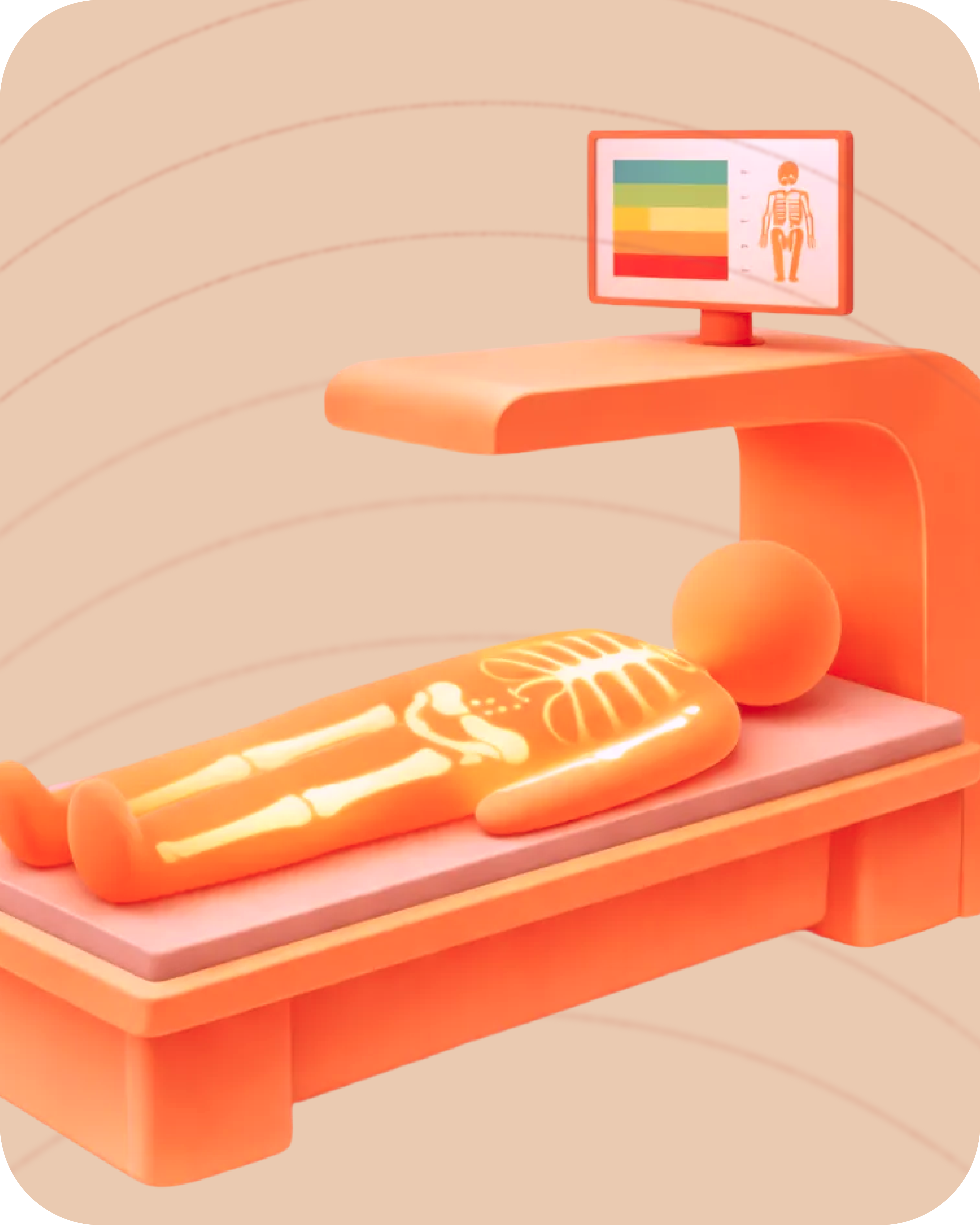
Gold Standard: DEXA Scan (Every 3–6 Months)
Total body fat %
Lean mass (segmental)
Bone mineral density
Visceral fat estimate
Regular Tracking: InBody Scan (Monthly)
Body fat %
Muscle distribution
Body water levels
Consistency in testing conditions is critical.
Your Monitoring Framework
Daily / Weekly
Body weight
Waist circumference
Monthly
InBody scan
Every 3–6 Months
DEXA scan
What Protecting Muscle Actually Requires
1. Higher Protein Intake
When calories drop, protein must increase proportionally.
2. Resistance Training
At least 2 sessions per week.
Not optional. Not replaced by cardio.
3. Sleep & Stress Regulation
High cortisol accelerates muscle breakdown.
The Complete Picture
A GLP-1 program that does not include:
Protein targets
Strength training
Body composition tracking
Clinical oversight
…is incomplete.
GLP-1 pulls the metabolic lever.
The surrounding structure determines whether you lose fat or lose muscle.
GLP-1 That Protects What Matters
At burnN, every program includes:
Body composition baselines
Monthly tracking
Personalised protein targets
Supervised strength protocols
Physician oversight
Because losing weight isn’t enough if you’re losing it wrong.
Disclaimer
This article is for informational purposes only and does not constitute medical advice. Please consult a qualified healthcare provider before starting or adjusting any treatment.
Learn more
Discover more from the latest posts.