Feb 6, 2025
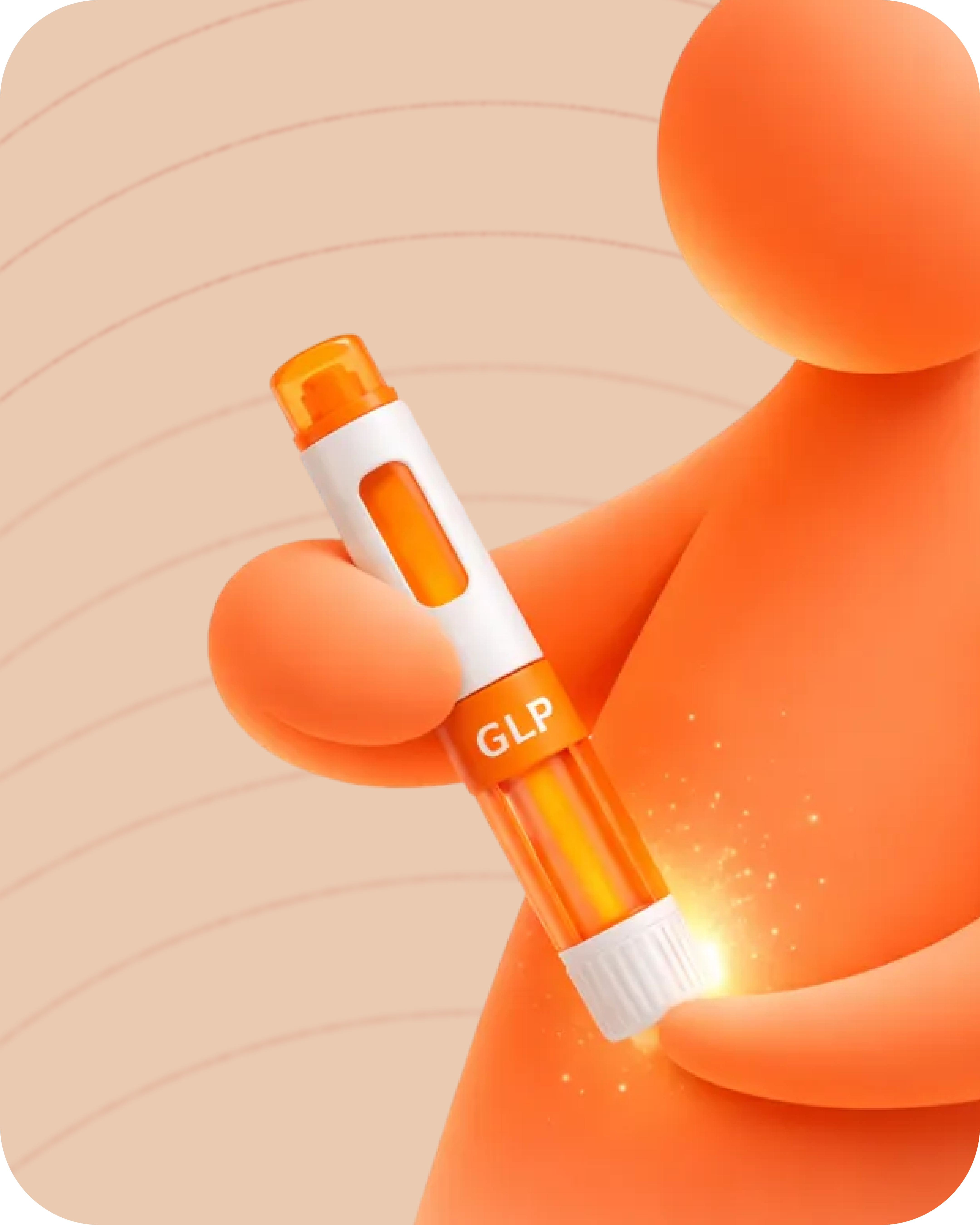
Before You Start GLP-1s, Try These First
Unconventional but clinically grounded habits that shift your metabolism without a prescription
Most people jump straight to medication. Smart people stack the deck first.
Before GLP-1 therapy, there's a surprisingly powerful toolkit of low-cost, unconventional interventions backed by physiology, not fads that can meaningfully move the needle on fat loss, appetite regulation, and metabolic health. None of these are mainstream. Most doctors won't mention them. But they work, and the science behind them is more solid than you'd expect.
Here's what we recommend trying before (or while you wait for) your GLP eligibility
Walk after every meal. Not once. Three times.
Three 10-minute walks after breakfast, lunch, and dinner does something a single 30-minute morning walk cannot: it flattens your post-meal glucose curve three times a day. Postprandial blood sugar spikes drive insulin, and insulin drives fat storage. This simple habit interrupts that cycle at its source.
Do calf raises at your desk.
This one sounds absurd until you read the research. Slow seated heel raises/calf raises done while sitting activate the soleus muscle, which is uniquely metabolically active even at rest. Studies show this can reduce post-meal blood sugar spikes by roughly 50% and meaningfully elevate fat oxidation over hours. You can do this during calls, at your laptop, anywhere. No one will notice.
Tape your mouth shut at night.
Mouth breathing during sleep elevates cortisol, disrupts sleep architecture, and impairs overnight recovery. Forcing nasal breathing with mouth tape improves sleep quality, lowers stress hormones, and by extension reduces the appetite-spiking effect of poor sleep. It's one of the cheapest interventions with outsized downstream metabolic effects.
A daily swig of coconut oil.
MCTs (medium-chain triglycerides) in coconut oil are metabolized differently from other fats. They go straight to the liver and are preferentially burned for energy rather than stored. A tablespoon in the morning can blunt appetite, provide fast-burning fuel, and support ketone production even outside of a fasted state.
500mg of lactoferrin daily.
Lactoferrin is a milk-derived protein with growing evidence for reducing visceral fat specifically the dangerous, metabolically active fat around your organs. It appears to act on adipogenesis pathways and inflammation. It's not a headline supplement, but it's one of the few things with actual human data for visceral adiposity reduction.
The carrot salad.
Grated raw carrot with a little oil and vinegar, eaten daily. Raw carrot fiber is uniquely effective at binding excess estrogen and bacterial endotoxins in the gut and escorting them out before reabsorption. Estrogen dominance is a major, underappreciated driver of fat accumulation particularly in the hips, thighs, and abdomen.
Apple cider vinegar, fasted, in warm water.
A tablespoon of ACV in warm water before your first meal improves insulin sensitivity, lowers fasting glucose over time, and slows gastric emptying, meaning food moves more slowly through your stomach, keeping you fuller longer. The warm water on an empty stomach also stimulates motility and gently activates digestion.
16:8 intermittent fasting.
Eating within an 8-hour window and fasting for 16 hours daily lowers insulin levels, increases fat oxidation, improves autophagy, and crucially reduces overall caloric intake without requiring you to count a single calorie. The eating window itself acts as the constraint.
Brush your teeth immediately after dinner.
This is behavioral architecture at its simplest. The psychological signal of a clean mouth combined with the taste of toothpaste is remarkably effective at shutting down nighttime snacking. No one wants to re-brush. It's a small friction that creates a hard stop on the eating day.
Never eat in front of a screen.
Screens trigger dopamine. Food triggers dopamine. Combined, they create a state of double stimulation that systematically overrides your satiety signals. Your brain is simply too occupied to register that you're full. Eating without a screen forces presence, slows the meal, and lets leptin do its job.
Carry gum. Always.
Cravings are often short-lived they peak and pass within minutes. Gum gives your mouth something to do during that window, engages the jaw, and triggers salivary response without calories. It's simple impulse management, and it works reliably as a craving interrupt.
Slam a protein shake before going out to eat.
Restaurant meals are engineered for overconsumption. Large portions, hyper-palatable flavour combinations, social pressure to order more. Arriving with 25–30g of protein already in your system changes the entire dynamic. You'll order less, eat slower, and leave without the post-dinner regret.
Log out of your food delivery apps. Fully.
The single most underrated behavioural intervention on this list. Impulse food orders happen because the friction is essentially zero. Requiring a full login password, email, the whole thing adds 30–60 seconds of deliberate action between craving and confirmation. That pause is enough to kill most impulse orders dead. Do it right now.
The bottom line
None of these replace GLP-1 therapy for those who need it. But if you're considering GLP-1s, starting here first means you arrive at the medication already metabolically primed with better baselines, stronger habits, and a much cleaner foundation to build on.
And if these alone move the needle enough? Even better.
Learn more
Discover more from the latest posts.