Feb 2, 2025
Self-Administration Is a Dangerous Affair
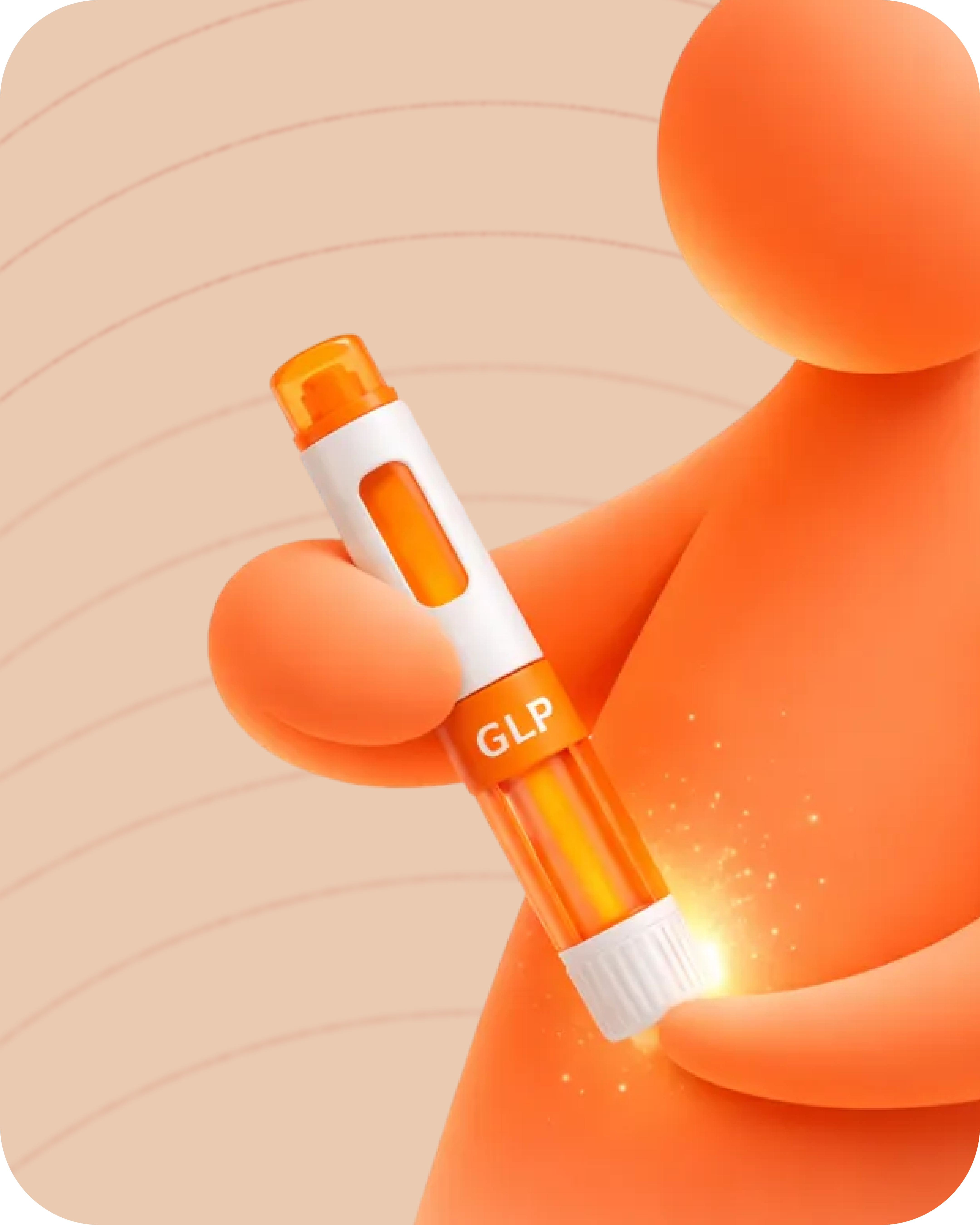
Why going solo on your GLP-1 journey is a gamble you can't afford to take
There's a new kind of recklessness circulating in India's health and wellness circles and it's being marketed as empowerment.
You've seen it. A cousin starts a GLP-1 pen from a WhatsApp group recommendation. A colleague sources semaglutide from a grey-market pharmacy and starts injecting based on a YouTube tutorial. A fitness enthusiast layers five supplements on top of a 900-calorie crash diet, convinced that more is more.
The weight starts dropping. Dopamine floods in. Everyone around them notices.
And then, quietly, things start to go wrong.
This is the story of self-administration the practice of running your own GLP-1 protocol, supplement stack, or metabolic intervention without clinical oversight. It is, without mincing words, one of the most dangerous trends in the modern health space. Not because the tools are bad. The tools can be extraordinary. But because the gap between starting a powerful metabolic therapy and running it correctly is wider than most people imagine.
The Illusion of Simplicity
GLP-1 receptor agonists look deceptively simple from the outside. You inject once a week. The appetite suppresses. The scale moves. What's there to manage?
What you don't see on a before-and-after reel is the metabolic cascade underneath. GLP-1s don't just suppress appetite they alter gastric emptying, modulate insulin secretion, affect cardiovascular function, and trigger a significant hormonal renegotiation across the entire body. When you self-administer, you're flying this plane without a cockpit.
No Medical Oversight Means No Safety Net
Before any responsible clinician prescribes a GLP-1, they screen for contraindications thyroid carcinoma history, pancreatitis, kidney function, cardiovascular markers, drug interactions. Self-administering patients skip this entirely, starting based on BMI or a friend's success story.
Then the clinical picture evolves. Dose titration isn't a fixed schedule it's a dynamic response to how your body adapts. Heart rate trends, kidney function changes, lipid shifts these require someone who can read the data and act. A physician sees patterns across hundreds of patients. You, managing yourself, have a sample size of one. Side effects get dismissed as "normal adjustment" when they're actually early warning signals.
Nutrition and Supplementation: The Silent Catastrophe
GLP-1 therapy can drop caloric intake from 2,200 to under 1,000 calories without much effort. But under severe restriction, the body doesn't just burn fat it burns muscle. Without a structured protein protocol (1.6–2.2g per kg of lean mass), patients lose alarming amounts of lean tissue alongside fat, worsening their metabolic rate and ending up functionally worse than where they started.
Then comes the supplementation mistake. Eating less doesn't mean stacking more. Zinc in excess disrupts copper absorption. Fat-soluble vitamins become poorly absorbed on low-calorie regimens. Iron taken without a ferritin baseline drives oxidative stress. Every supplement interaction needs to be mapped against your labs and your phase of therapy not guessed at.
Symptom Monitoring: You Can't See What You're Not Tracking
Persistent vomiting can cause acute kidney injury within 48-72 hours but it "feels like the medication working." Mid-epigastric pain radiating to the back could be pancreatitis, but gets dismissed as GI discomfort. Accelerating resting heart rate during dose escalation goes completely unnoticed because nobody is watching.
And then there's the psychological layer food relationship distortions, restriction anxiety, disordered patterns that emerge when appetite is pharmacologically suppressed with no mental health framework alongside it. Self-administering patients don't have a feedback loop catching these signals. They have Reddit threads.
The Protocol Is Everything
In 2026, accessing a GLP-1 pen is increasingly easy. That's exactly the problem. The question was never whether you can get the medication it's whether you have the clinical architecture to run it safely.
The pen is just the beginning. A physician who knows your labs, a nutritionist who has built your intake around your lean mass and your phase, a health coach monitoring your journey weekly that's the difference between a transformed metabolic profile and six months of muscle wasting followed by a full rebound.
Self-administration is a gamble. And the house always wins.
At Resolute, we built burnN because we believed that GLP-1 therapy in India deserved better than a prescription and a goodbye. Our protocols are 100-190 days of structured, supervised, multidisciplinary care because that's what the science demands, and that's what you deserve.
Learn more
Discover more from the latest posts.