Mar 1, 2025
Everyone's Talking About GLP-1. Here's What You Actually Need to Know.
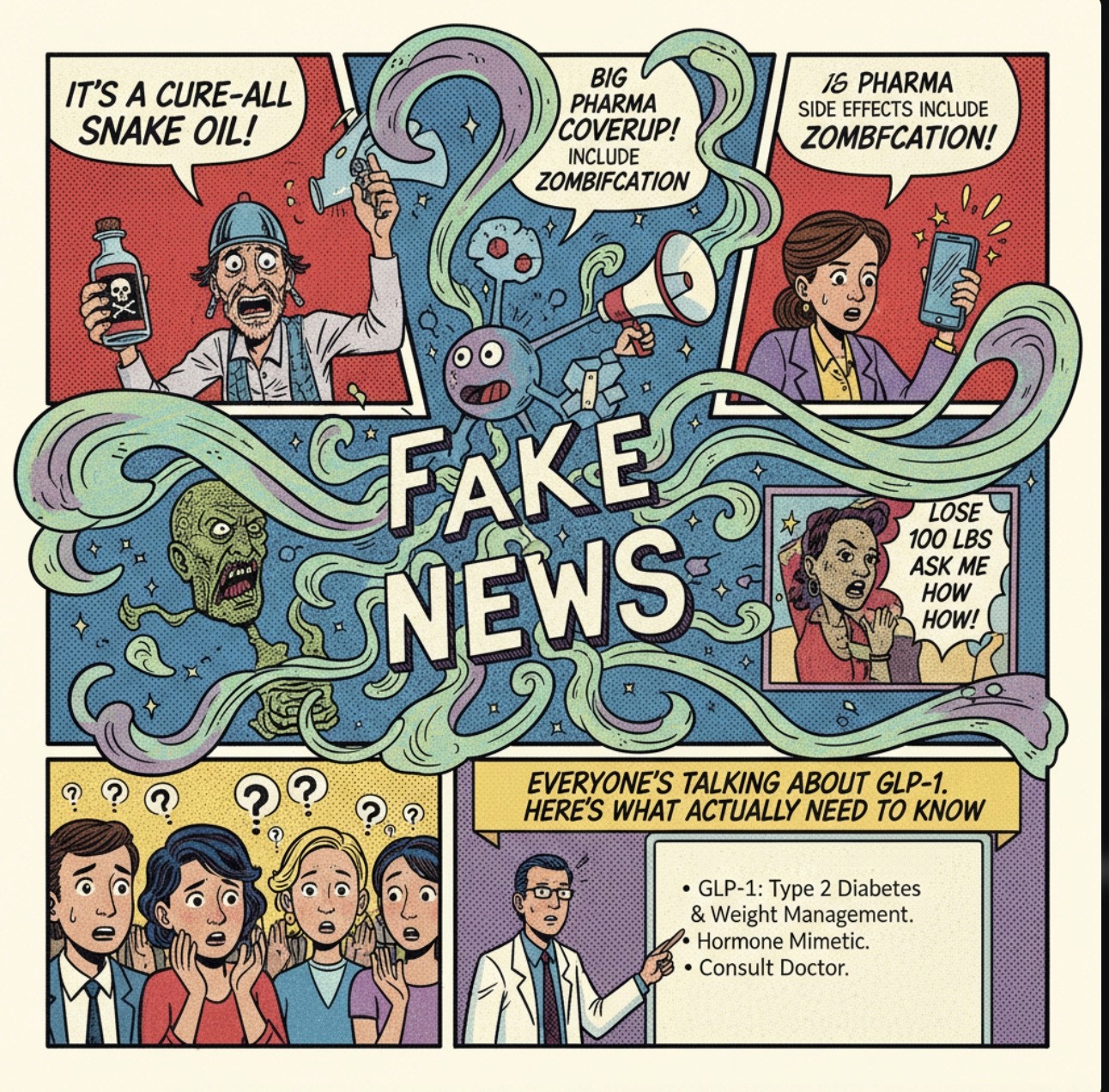
If you're reading about GLP-1 online, you're not alone. Searches like “What’s GLP-1”, “Mounjaro” or “GLP-1 side effects” have risen by up to 1500% in India in the last year. Everyone from your gym buddy to your office colleague seems to be talking about it.
But between the Instagram posts, showing dramatic transformations and the horror stories whispered in private WhatsApp groups, it's hard to know what's actually true.
Let's cut through the noise.
What is GLP-1?
GLP-1 stands for Glucagon-Like Peptide-1. It's a hormone your body naturally produces in your gut after you eat. Its job is to tell your brain you're full, signal your pancreas to release insulin, and slow down how quickly food leaves your stomach.
The problem is that for many people dealing with obesity or metabolic issues, this natural system doesn't work the way it should. Modern life has essentially hijacked our hunger hormones. Ultra-processed foods designed to make us overeat, sedentary work patterns, chronic stress, and disrupted sleep have created an environment where our bodies can't regulate hunger properly anymore.
GLP-1 medications (like semaglutide and tirzepatide) are lab-made versions of this hormone. They reduce hunger, help regulate blood sugar, and slow digestion. The result is that you feel full with less food, and you're not fighting constant cravings.
Why People Are Turning to GLP-1
Weight loss through diet and exercise alone asks you to use willpower to override your biology. That's like trying to hold your breath indefinitely. You can do it for a while, but eventually, your body wins.
GLP-1 is different because it changes the biology itself. It eliminates hunger at the hormonal level. Clinical studies show people can lose 15 to 20% of their body weight over six months.
The Hidden Benefit: Inflammation Reduction
Most people focus on weight loss, but something else happens on GLP-1 that matters just as much: your inflammation levels drop.
Chronic inflammation is at the root of nearly every major health problem we face. It directly affects heart disease, diabetes, fatty liver, and cognitive decline. Excess body fat, especially visceral fat around your organs, constantly releases inflammatory signals throughout your body.
When you lose weight on GLP-1, your inflammation markers drop significantly. This is best measured through C-reactive protein (CRP) levels in your blood. Lower inflammation means better cardiovascular health, reduced atherosclerosis (plaque buildup in arteries), improved insulin sensitivity, and even clearer thinking.
The cardiovascular benefits aren't just about the weight coming off, they're about reducing the inflammatory cascade damaging your heart, kidneys, and blood vessels. This is why appetite suppression is just the entry point. The downstream effects on inflammation, metabolic function, and cognitive clarity are where the real story is.
Who Should Actually Be Using GLP-1?
These medications aren't approved for everyone who wants to lose a few kilos for a wedding.
GLP-1 therapy is medically approved for:
People with obesity (BMI of 30 or higher)
People who are overweight (BMI of 27 to 29.9) with weight-related medical conditions like high blood pressure, high cholesterol, or Type 2 diabetes
The reality is that plenty of people who don't meet these criteria are still accessing these drugs. But just because something is available doesn't mean it's appropriate for you. An endocrinologist consultation can help you understand whether your situation actually requires GLP-1.
How to Use GLP-1 Safely
Access to GLP-1 is getting easier in India. But access and safety are two different things.
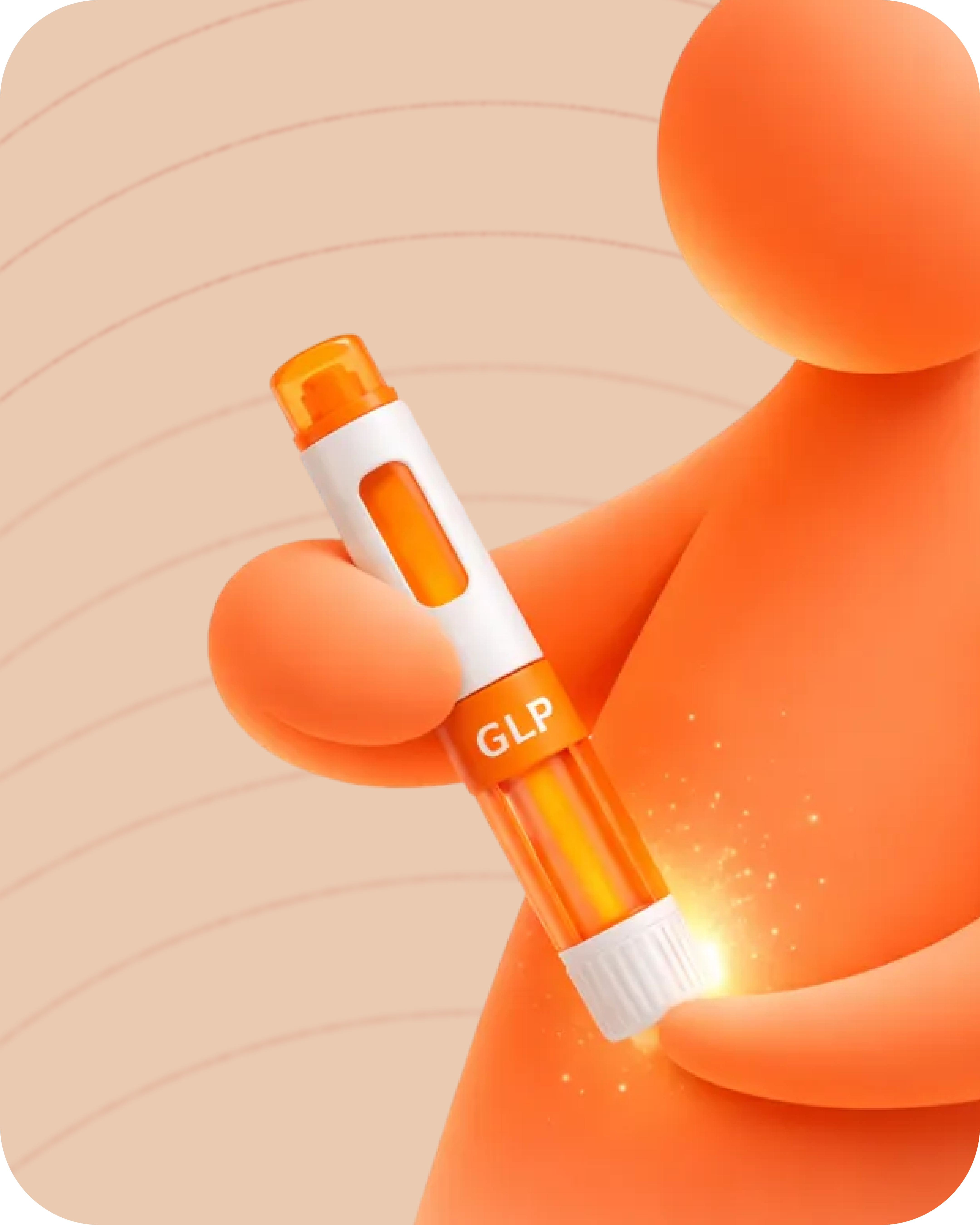
The medication is typically given as a weekly injection using a pre-loaded pen. You press it against your abdomen or thigh, and it delivers the dose under your skin.
The critical part most people miss is titration, which is the gradual increasing of your dose based on how your body responds. Starting too high causes severe nausea that makes people quit. Escalating too slowly means weeks with no results. Proper titration should be guided by a pharmacologist who adjusts based on your tolerance and response, not a generic calendar.
What Else You Need Beyond the Medication
Here's what almost no one talks about: the drug is only about 20% of the equation.
GLP-1 suppresses your appetite, which means you're eating significantly less. That also means absorbing fewer vitamins, minerals, and protein. Without proper nutritional support, you can end up with severe deficiencies affecting your energy, immunity, and long-term health.
You also need to protect your muscle mass. GLP-1 doesn't know the difference between fat and muscle. Without adequate protein and strength training, you'll lose muscle along with fat. This tanks your metabolism and makes maintaining results nearly impossible.
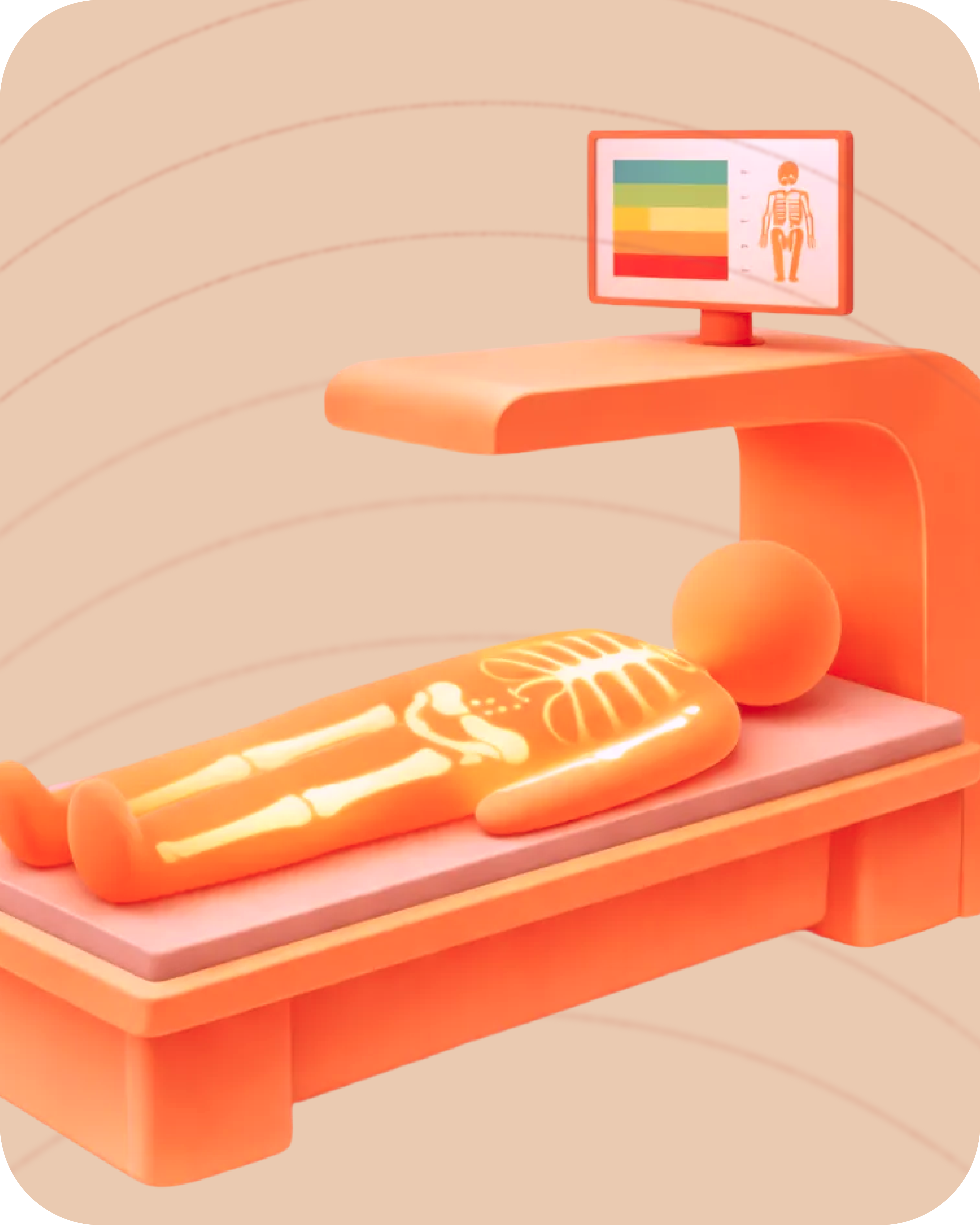
Body composition tracking through DEXA scans helps you see what you're actually losing whether fat or muscle. This helps you to adjust your dose before it's too late.
The Side Effects
Common side effects include nausea, vomiting, constipation, and fatigue. For most people, these improve after a few weeks. In rare cases, GLP-1 can cause small bowel obstruction, gastroparesis (stomach paralysis), or pancreatitis. Having medical oversight means you're not trying to figure out serious issues through Google searches.
What Happens When You Stop?
If I stop taking GLP-1, will I gain all the weight back?
It depends on how you stop and what you've built around the medication.
If you've only relied on the drug to suppress appetite without addressing why you were overeating like combating stress, emotional eating, poor sleep, or metabolic dysfunction, then yes, there's a high chance of rebound weight gain.
But if you've used the medication to reset your hunger hormones while fixing your nutrition, building muscle, improving sleep, and addressing root causes, your chances of maintaining results are much higher.
Abrupt cessation leads to rebound. A proper metabolic reset, guided by medical professionals, gives you the best shot at sustained results.
The Bottom Line
GLP-1 represents a genuine breakthrough in weight management. It's the first pharmaceutical intervention that addresses hunger at the hormonal level.
However, these medications are powerful. Using them safely requires more than access to a prescription. You need proper medical screening, pharmacologist-guided titration, nutritional support to prevent deficiencies, strength training to protect muscle, and a plan for after you stop.
These drugs aren't a cure for emotional eating or stress-related weight gain. Those psychological patterns don't disappear because your appetite does. But for people dealing with severe obesity or metabolic dysfunction, GLP-1 can provide the momentum needed to make lasting changes.
If you're considering GLP-1, start with the right questions: Am I eligible? Do I have the medical support I need? And am I prepared to build the system around the medication that actually makes it work?
Learn more
Discover more from the latest posts.